Who was Andrew Carnegie, and how did he contribute to libraries?
Andrew Carnegie made his fortune by building the steel industry in the United States, and he became one of the most well-known and generous philanthropists of his time. Before he died in 1919, Carnegie founded over 2,800 libraries worldwide, with a particular emphasis on establishing libraries in the United Kingdom. He was famously quoted as saying, "If ever wealth came to me, that it should be used to establish free libraries."
When was the Carnegie Medal established, and what is its purpose?
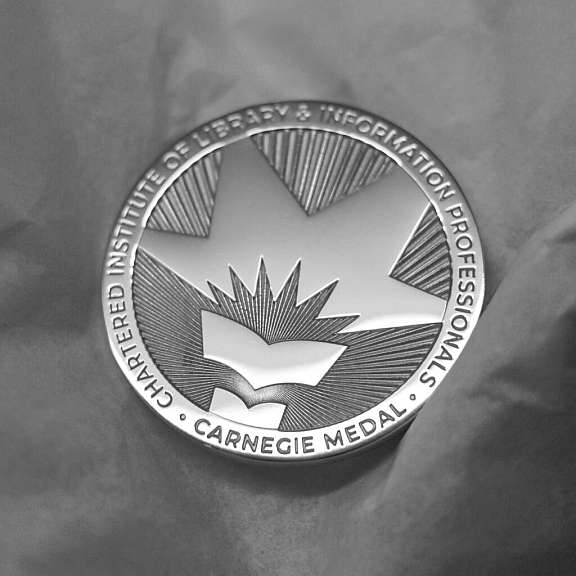
The Carnegie Medal was established in 1936 in honor of the Scottish-born entrepreneur, and the Medal is awarded annually to the best in children's literature published in the UK during the previous calendar year.
How does the Carnegie Medal compare to other children's literature awards?
The Carnegie Medal is widely considered to be the British counterpart to the American Newbery Medal. Each year, the winner is presented with a trophy and £500 worth of literature to donate to a library of the author's choice.
What are the literary standards for the Carnegie Medal?
Even though the Carnegie Medal is awarded to authors of children's books, the literary standards are no less arduous simply because of the age demographic. The CILIP organization outlines its criteria for considered books, and each piece of fiction should include a well-constructed plot, convincing characters, and a successfully applied style. Most of the winners of the Carnegie Medal are books that stay with the reader long after finishing the last page. While the content may be challenging for the audience, readers must leave with a sense of closure and pleasure. In short, these books must be just as compelling and artistic as if they were written for adults.
Are there years when the Carnegie Medal is not awarded?
True to the spirit of distinguished children's and young adults' literature, the Carnegie Medal is not awarded in years when the judges feel that no submitted work was suitable for such recognition. As such, the Carnegie Medal was not awarded in 1943, 1945, or 1966.
Who are some notable winners of the Carnegie Medal?
The first winner of the Carnegie Medal was author Arthur Ransome for Pigeon Post, the sixth book in the critically acclaimed Swallows and Amazons series. For many years, it was prohibited for authors to win more than one Carnegie Medal; however, since the rule changed, seven authors have gone on to win more than one Medal.
Notably, there has only been one author to win both the Carnegie Medal and the Newbery Award in the same year, and that honor went to Neil Gaiman for his work The Graveyard Book.
To celebrate the 70th Anniversary of the Carnegie Medal, CILIP decided to award the "Carnegie of Carnegies" Medal, and the ten nominees were chosen from the list of past Carnegie winners. Ultimately, author Philip Pullman won the illustrious award for his book Northern Lights, his well-known novel that had originally won the Carnegie Medal back in 1995.