
Click to view full size.
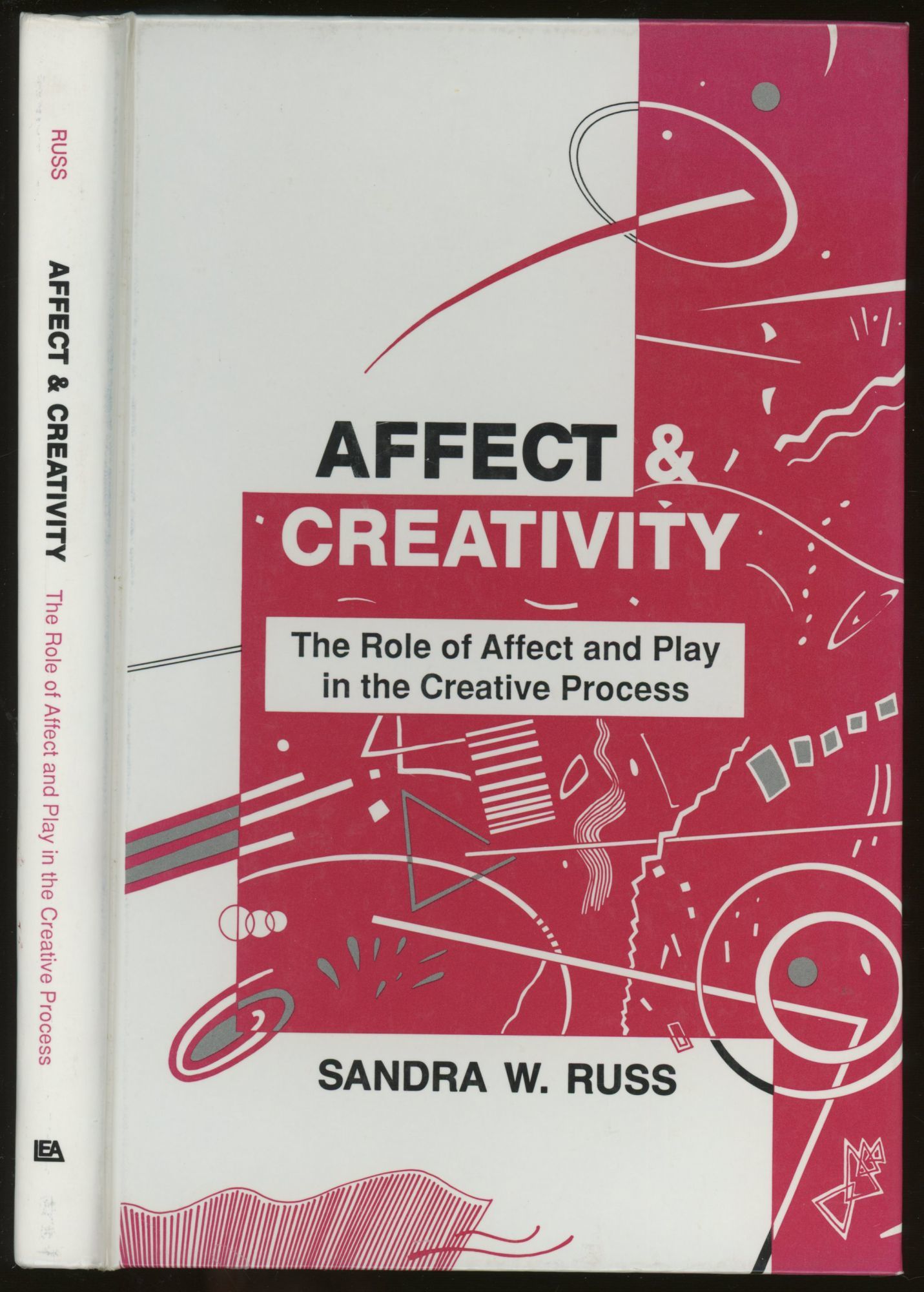
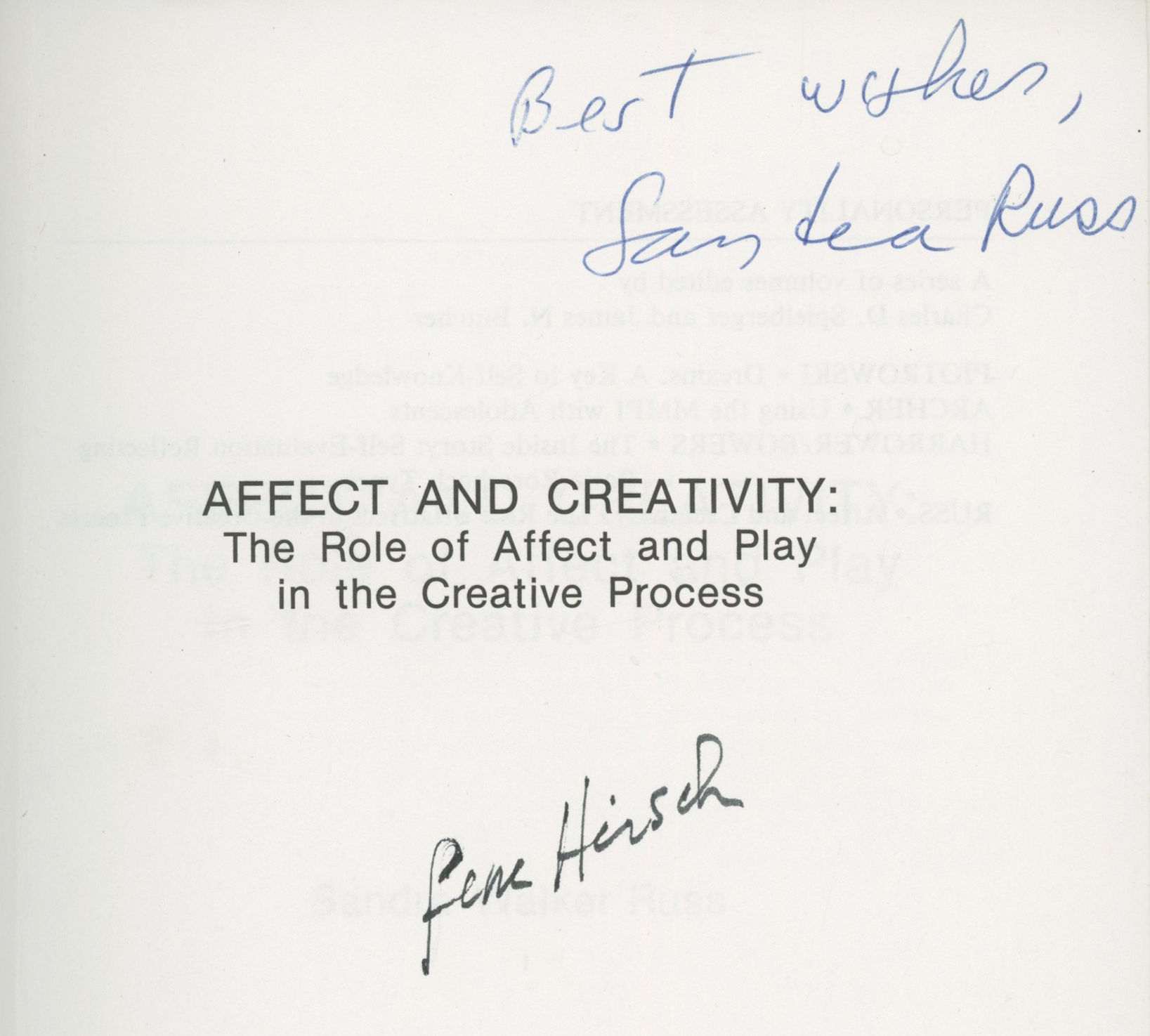
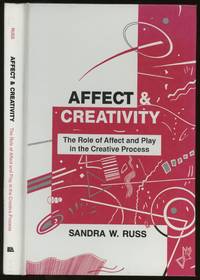
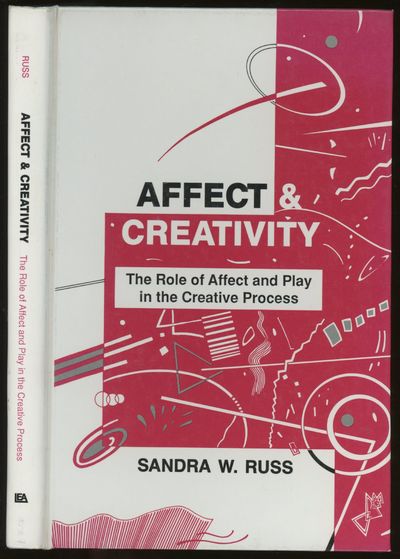
Affect and Creativity: The Role of Affect and Play in the Creative Process (Inscribed by Russ) Hardback - 1993
by Russ, Sandra Walker
- Used
- Good
- Hardback
- Signed
- first
A$29.14
A$10.20
Delivery within USA
Standard delivery: 5 to 14 days
More delivery options
Standard delivery: 5 to 14 days
Details
- Title Affect and Creativity: The Role of Affect and Play in the Creative Process (Inscribed by Russ)
- Author Russ, Sandra Walker
- Binding Hardback
- Edition First printing
- Condition Used - Good
- Pages 148
- Volumes 1
- Language ENG
- Publisher Lawrence Erlbaum Associates, Hillsdale, NJ
- Publication date 1993
- Illustrated Yes
- Bookseller's Inventory # z015987
- ISBN 9780805809862 / 0805809864
- Weight 0.9 lbs (0.41 kg)
- Dimensions 9 x 6 x 0.62 in (22.86 x 15.24 x 1.57 cm)
- Reading level 1260
- Category Psychology
- Library of Congress subjects Creative ability, Personality and cognition
- Library of Congress Catalogue Number 92022163
- Dewey Decimal Code 153.35
- Quantity available 1
About Common Crow Books Pennsylvania, United States
Specialising in: Architecture, Ephemera, Fine Press, Literature, Modern Art, Pennsylvania, Philosophy, Photography, Rare Books
Biblio member since 2005
Common Crow's warehouse has around 75,000 books online. We specialize in unusual books in the humanities including poetry, philosophy, history, literature and art.
(1) PAYMENT: MC, Visa, Cash, Check, Paypal. Payment due within 10 days of order. (2) POST: Standard and Expedited orders are processed within 2 business days. An Express shipping option is available at checkout to those requiring immediate service. All books subject to prior sale. Extra shipping fees may apply to multi-volume and oversize books; international shipping restrictions may apply. In the event additional shipping fees are required, buyers will be contacted to approve any charges before shipment. (3) RETURNS: Books returnable if not as described within 7 days of receipt. (4) DISCOUNTS: We discount reciprocally to fellow dealers with open shops or online searchable inventory. (5) CONTACT: email commoncrowbooks@gmail.com - we respond within 24 hours. THANKS FOR YOUR ORDERS!!
Reader reviews for Affect and Creativity: The Role of Affect and Play in the Creative Process (Inscribed by Russ)
Write a review for this book
Important Terms and Guidelines
- Please focus on the book’s content and context. Also, add any personal comments as to how you enjoyed the book. Substantiate your likes and dislikes. You may make comparisons to other books.
- Reviews must be at least 140 characters in length.
- Please do not reveal critical plot elements.
- This is not a help line. Contact customer support if you need help.
Your review must not include:
- Obscenities, discriminatory language, or other insulting language not suitable for public domain
- Advertisements, “spam” content, or references to other products, offers or websites.
- Email addresses, URLs, phone numbers, physical addresses or other contact information.
- Overly critical comments about other reviews or reviewers
- Time-sensitive material (i.e. promotional tours, seminars, lectures, etc.)
- Availability, price, or alternative ordering/shipping information

