
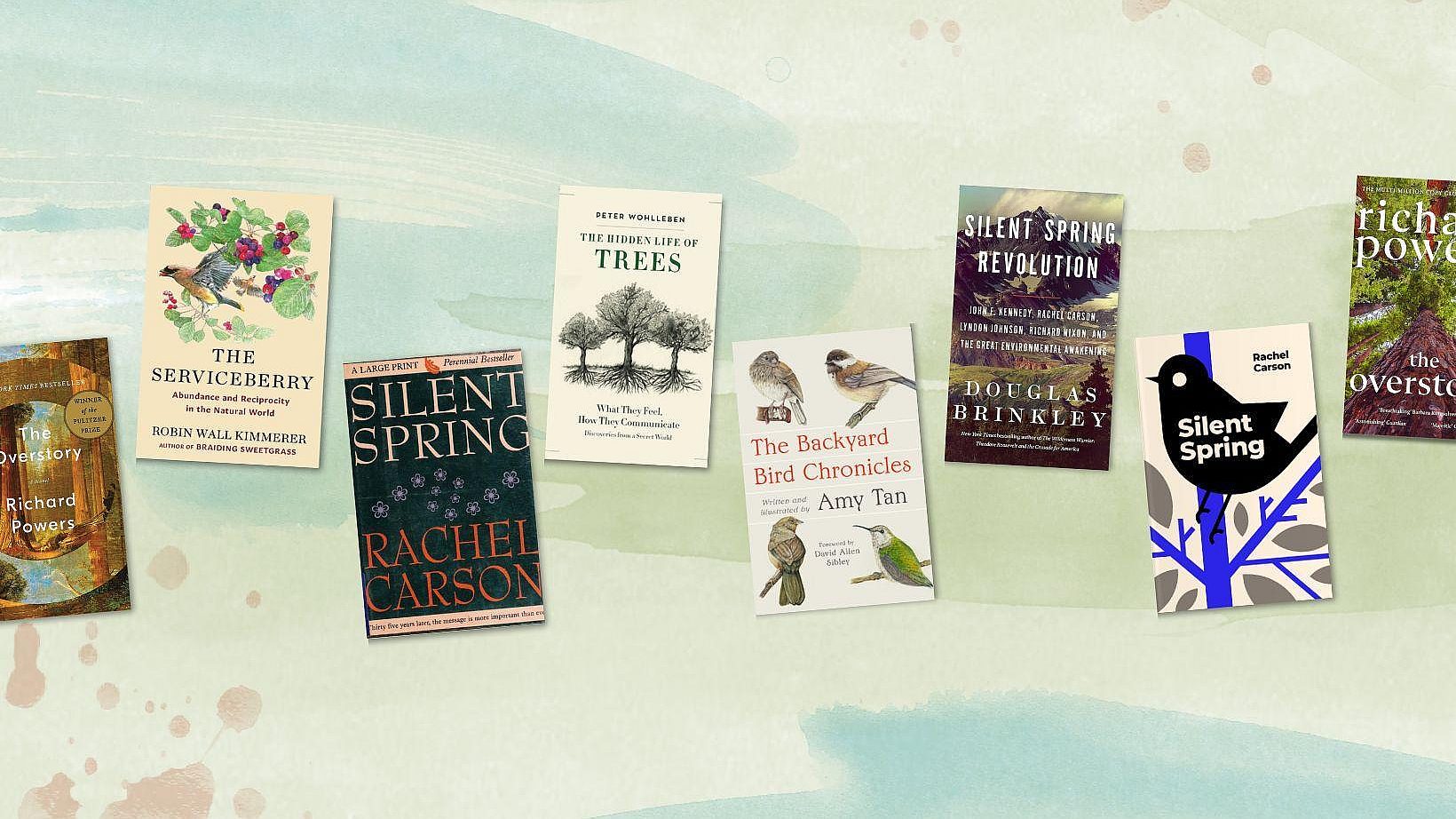
Echoes of 'Silent Spring': Top picks for today's environmental challenges
Rachel Carson's pioneering work in environmental literature Silent Spring was first published on September 27, 1962. Raising awareness about the dangers of pesticides and their detrimental effects on the natural world, Carson's powerful exploration of ecological themes has influenced countless environmental movements. One recent book, John F. Kennedy, Rachel Carson, Lyndon Johnson, Richard Nixon, and the Great Environmental Awakening, written by Douglas Brinkley and published in 2022, examines the history of the modern environmental movement.
If you're looking for contemporary books that capture similar themes of environmentalism, biodiversity, and the impact of human activities on nature, here are some compelling recommendations:
The Serviceberry: Abundance and Reciprocity in the Natural World (2024) is written by Robin Wall Kimmerer, botanist and author of the 2013 best-selling book Braiding Sweetgrass. The Serviceberry explores a vital North American ecosystem tree species and broader themes of abundance and reciprocity in nature. The book emphasizes the interdependent relationships in nature and advocates for a deeper understanding and respect for natural cycles, highlighting how humans can learn from these relationships to cultivate more sustainable and symbiotic ways of living with the environment.
Another current bestseller, The Backyard Bird Chronicles (2024) by beloved fiction author Amy Tan, uses personal reflection to explore nature through backyard birdwatching. The book combines Tan's sharp observations of birds with personal anecdotes and meditations on identity, family, and the connections between humans and the natural world. This collection reveals how small, everyday interactions with the natural world can inspire profound insights and personal growth.
Peter Wohlleben's international bestseller The Hidden Life of Trees: What They Feel, How They Communicate – Discoveries from a Secret World (2016) offers a fascinating look at how trees communicate, share resources, and form intricate social networks. This book is perfect for readers who were moved by Carson's portrayal of the delicate web of life, offering new insights into the natural world and the need for its protection.
Although it is a work of fiction, Richard Powers' Pulitzer Prize-winning novel The Overstory (2018) explores the interconnectedness of humans and trees. It's a poignant narrative about the environment, activism, and the destruction of nature, drawing a powerful parallel to Silent Spring's exploration of ecological collapse and the need for greater environmental consciousness.


